

If your chimney could talk, it’d probably say, “I need a checkup every now and then, please!” Most of us only think about the chimney when winter rolls in and the fireplace becomes the family’s best friend. But just like a car needs its oil changed, a chimney needs a once-over, too. And one of the biggest reasons is ventilation. So, why do chimney inspections matter so much for the air you breathe at home? Pull up a log, friend, and let’s talk chimney talk, plain and simple.
Why Does Chimney Ventilation Matter?
Let’s take you back to your last camping trip. Remember trying to get that fire going but the smoke chased everyone around the campfire? Now, imagine that smoke hanging out in your living room. Not fun. Chimney ventilation is what keeps smoke, nasty gases, and all sorts of not-so-nice air moving up and out, not swirling around your couch.
If your chimney isn’t venting right, you could have more than just smelly air. You could be looking at soot buildup, allergies acting up, or—worst of all—carbon monoxide sneaking into your house. That’s why checking your chimney for ventilation issues isn’t just a “good-to-do,” it’s a must-do.
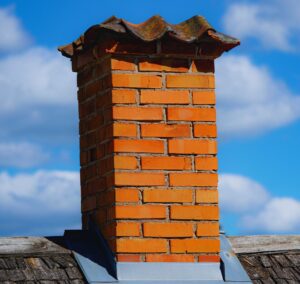
What Happens During a Chimney Inspection?
At Chimney Sweep Colorado Springs, we like to think of chimney inspections like a doctor’s visit. We’re not looking to poke around for fun. We’re checking out all the things that keep your chimney running clean and safe. Here’s what goes on:
-
1. Taking a Good Look Up and Down
We’ll start outside and peek inside. Sometimes, a flashlight will uncover a raccoon trying to rent an apartment in your flue. Other times, it’s a bird’s nest making life difficult for your draft (that’s the air getting pulled up your chimney).
-
2. Checking for Obstructions
Leaves, twigs, animal nests—your chimney is like a magnet for stuff when you least expect it. Even bricks or mortar can break loose over time. Anything stuck in there blocks wind and can make smoke billow back in.
-
3. Looking for Soot, Creosote, and Other Gunk
If you’ve been burning wood, especially wood that’s not seasoned, there’s probably a layer of black gunk (that’s creosote) waiting to be found. Too much creosote is like cholesterol in an artery—it clogs things up and can be a fire hazard.
-
4. Checking for Cracks and Gaps
Everyone ages. Chimneys aren’t any different. Over time, rain, snow, and those wild Colorado Springs thunderstorms can wear down brick, mortar, or metal liners. Cracks or broken pieces mean air won’t circulate the way it should.
How Ventilation Problems Sneak Up on Homeowners
Remember your uncle’s old truck, the one with the “Check Engine” light always on? Chimney problems are kind of like that light—you don’t notice a big issue until things start smelling smoky or your eyes water when you light a fire.
You might not spot the warning signs at first. Maybe your fires are hard to start. Maybe, when you do get them going, you see more smoke slipping into your living room than up the chimney. Or it could just be a strange, musty smell that won’t go away no matter how many pine-scented candles you try.
Some Red Flags You Might Not See
- Backdrafts: Feels like the chimney is blowing wind into your house
- Lingering odors: Fireplace smells like a burnt marshmallow, even when there’s no fire
- Mildew around the chimney: A damp chimney is a sneaky one, causing bad airflow and even mold
These are just the tip of the iceberg. Sometimes, the problem is out of sight and out of mind until an inspection shows what’s really going on.
The Science of Chimney Ventilation (Without the Boring Stuff)
Think of your chimney as the lungs of your home’s heating system. Just as you wouldn’t want to run a mile with a stuffy nose, your home doesn’t want to funnel smoke out through a clogged chimney. Proper chimney function depends on three things: airflow, temperature, and unblocked pathways.
When warm air from the fire rises, it pulls fresh air up the chimney. If anything’s blocking the route—birds, bricks, or buildup—that smoke decides your living room looks like a good place to settle.
How Inspections Fix Ventilation Problems
So, you might wonder, why can’t you just check it yourself? Well, you could, but it’s a bit like trying to diagnose a car problem by holding your ear to the hood. The experts at Chimney Sweep Colorado Springs have the tools and know-how to find issues you can’t spot from the hearth.
Here’s how inspections help:
-
1. Spotting Trouble Before It Starts
The main thing a chimney inspection does is find tiny issues before they turn into big headaches. It’s catching a small leak before it floods the basement. Maybe there’s a barely-there crack that’s letting water dampen your bricks. Maybe a piece of mortar has shifted.
-
2. Finding Sneaky Blockages
Think of an inspection as a “search and rescue” mission for your ventilation. The team checks for hidden blockages, buildup, and other things plugging up your chimney. Sometimes it’s as innocent as a pile of pine needles; other times it’s a failed damper.
-
3. Preventing Dangerous Gas Buildup
This one’s no laughing matter—if your chimney can’t vent gases properly, carbon monoxide could get trapped indoors. Since you can’t see or smell carbon monoxide, inspections make sure it leaves your house quietly, just like it should.
-
4. Suggesting Solutions That Work
Once the issues are found, the pros offer solutions. It might mean a good sweeping. Maybe you’ll need a small repair. Sometimes, it’s time for a new chimney cap to keep critters and weather out.
How Does This Improve Indoor Air Quality?
Ventilation and air quality are like peanut butter and jelly—they just work best together. When your chimney vents smoke and gases outside, your home’s air stays clear. Clean chimneys mean everyone breathes easier. That’s true whether you’re enjoying a cozy fire in winter or letting your fireplace rest in summer.
It’s not just about comfort, either. Poorly ventilated chimneys have been tied to headaches, allergies, and even serious illness. And nobody wants their home’s air feeling like a campfire on a bad day.
Clean, well-vented chimneys also help you save money. If air can move freely, your heating system works without overtime, so you’re not spending extra cash heating up your house—or sending smoke signals up the block.
Simple Steps to Keep Your Chimney Ventilating Properly
- Get annual inspections—especially before or after heavy use.
- Burn only dry, seasoned wood—wet logs create more gunk.
- Watch for changing fireplace smells or smoky air.
- Cap your chimney to keep out “unexpected guests” (looking at you, raccoons).
- Book a professional sweep if you notice soot or weird drafts.
Ready to Breathe Easier? Call the Pros!
Chimney Sweep Colorado Springs is here to keep your chimney breathing easy so your family can, too. We know the ins and outs of Colorado Springs chimneys—from dad’s backyard fire pit to the decades-old brick beauties. Our team tackles blockages, cracks, and buildup, protecting your home from fire risks and helping everyone sleep better at night.
Don’t wait for smoke signals or strange smells. Call us today at 720-505-5030 or visit chimneysweepscoloradosprings.com to schedule your inspection. Fresh air is just a sweep away—let’s get your chimney venting like a champ!