

Picture this: it’s a frosty Colorado Springs evening. The snow outside is falling heavy, the Broncos are on TV, and you’re snuggled up next to your crackling fireplace. Life is good, until… you start to feel dizzy. Maybe a little lightheaded. The dog is acting strange. The next thing you know, the carbon monoxide detector goes wild. Sounds familiar? If you haven’t taken care of your chimney, this scene can turn ugly fast.
Now, carbon monoxide is called the “silent killer” for a reason. You can’t smell it. You can’t see it. Yet, it can sneak into your home and cause all kinds of trouble. Chimney Sweep Colorado Springs wants to keep you from being the star of your own scary story. That’s why we’re about to put away the technical mumbo jumbo and walk you through how chimney inspections save lives—starting with yours.
What Is Carbon Monoxide and Why Should I Care?
Carbon monoxide (CO) is a sneaky gas made by burning wood, gas, oil, or even charcoal. Most homes in Colorado Springs use fireplaces or wood stoves, so this stuff is always waiting for its big chance. Now, CO is not a guest you want in your living room. It slips right past your nose—literally—and can make you sick or worse.
Ever leave your car running in a closed garage? That’s CO at work. Only, with a fireplace or furnace, it can sneak through if your chimney’s blocked or damaged. Symptoms of carbon monoxide poisoning can look like the flu or just being super tired:
- Headaches
- Dizziness
- Weakness
- Upset stomach
- Chest pain
If everyone starts feeling weird at the same time when you light the fire, it’s not the leftover chili talking.
Why Do Fireplaces and Chimneys Matter?
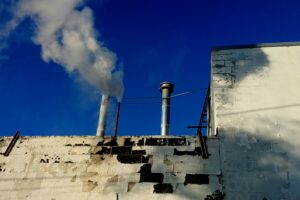
Imagine your chimney is like your home’s nose: it’s there to let the smoke and gases out. If your nose got clogged, you’d have a hard time breathing, right? The same goes for your chimney. Blockages, cracks, broken dampers—they can turn your cozy fire into a CO problem.
Here’s what can happen inside your chimney without you knowing:
- Birds build nests up there
- Leaves and twigs pile up like a squirrel’s hideout
- Creosote (the black, sticky stuff) builds up
- Bricks crumble and shift
All these things block the airway. A blocked chimney can’t let dangerous gases out, so they end up right where you’re sitting—on your couch.
How Chimney Inspections Keep CO Where It Belongs
You wouldn’t let your truck go years without an oil change, right? So why ignore your chimney? Chimney inspections are like yearly checkups for the whole system. They spot ugly surprises before you’re dealing with a nightmare.
Here’s why chimney inspections matter:
- Spotting Hidden BlockagesBird nests, animal guests, and all sorts of stuff can fill up your chimney. Left unchecked, these blockages can trap gases like CO inside. An experienced chimney sweep isn’t afraid to get their hands dirty, clear out nests, clogs, and whatever else is hiding in there.Story time:
Our guy Dave once found a whole family of raccoons snuggled up in a Colorado Springs chimney. True story! They looked cute, but their stinky nest was turning a safe fireplace into a carbon monoxide problem ready to explode. - Checking for DamageColorado weather can be tough—snow, ice, storms, and wild winds. Bricks and mortar get worn or cracked. Sometimes, you don’t even see the damage unless you’re right up there with a flashlight. These cracks let gases leak out where they shouldn’t. Licensed chimney experts know where to look and how to fix things before they get worse.
- Making Sure Everything FlowsThink of your chimney like a straw. A bent or squashed straw makes it hard to drink your soda. Same problem here—if the flue or damper don’t work, your chimney won’t be able to pull smoke and gases outside. Inspections check that every part works just right.
- Taking Care of CreosoteCreosote is sticky and flammable, like tar mixed with super glue. If it gets too thick, it can block the chimney. Even worse, a crusty layer of creosote helps CO build up. Chimney sweeps scrub all of this out, so gases go up instead of coming down.
- Confirming Your Chimney Cap Is in PlaceA chimney without a cap is like driving with no hood—stuff falls in, water gets inside, and animals move in. Inspectors check the cap and replace it if needed. That helps keep blockages and uninvited guests out of your system.
- Double Checking the ConnectionsEver mess up one end of a phone charger and wonder why nothing works? Same goes for fireplace parts. Inspectors make sure all parts and seals are connected properly, so nothing leaks into your living room.
Real Talk: What Happens Without Inspections?
Being a cowboy when it comes to chimney care is risky. Skip inspections, and you could be dealing with:
- Hidden CO leaks
- Dangerous creosote build-up (fire risk!)
- Expensive damage to walls, roof, or ceilings
- Unwanted animal tenants
- Awful smells from decay or old smoke
CO is not polite. It won’t knock first or give you much warning. You wouldn’t leave your beer fridge unplugged before game day, right? Don’t ignore the little things that stop big headaches.
How Often Do You Need a Chimney Inspection?
The simple answer: get your chimney checked once a year—especially before winter. If you use your fireplace all the time, consider a quick check after heavy storms or if you notice any changes. See cracks, smell something strange, or hear birds up top? Get us out there, pronto.
What We Look for During a Chimney Inspection
We don’t just show up, poke around, and call it a day. Here’s how a Chimney Sweep Colorado Springs inspection goes:
- Full check-up: We look inside the flue, outside the stack, on the roof, and around the fireplace area.
- Looking for stuff in the way: We check for nests, debris, twigs, and anything else—you’d be amazed at what we find.
- Finding cracks and broken parts: Any kind of gap or loose brick gets flagged.
- Damper inspection: Is it rusted? Does it move like it should? We’ll find out.
- Creosote and soot: We look for build-up and thick layers of grime.
- Fireplace connections: All your stove pipes and joints get a close look.
- Chimney cap: We make sure it’s set up right and not worn out.
We also talk with you about what we find, and we’ll show photos so you can see for yourself.
Carbon Monoxide Detectors: Your Backup Helper
Even with a perfect chimney, every home needs working CO detectors. Put one near sleeping areas and one on every floor.
But here’s the deal—detectors only help after CO is already in the house! Chimney inspections and sweeps get rid of the problem before it even starts.
Funny Story: The Time We Found a Chimney Full of Tennis Balls
You know kids in Colorado Springs love their backyard games. That means sometimes, a lost tennis ball finds a new home—your chimney. Last year, we swept a chimney and found six tennis balls, two bird nests, and a squeaky dog toy. Yikes! Those tennis balls were blocking the whole flue. Without an inspection, this family would have had all the wrong “guests” for the holidays.
What Can You Do To Stop CO at Home?
Here’s a checklist for safe air at home:
- Schedule yearly chimney inspections: Put it on your calendar, like your favorite TV show.
- Clean the fireplace and flue regularly: Or let us handle it for you.
- Fix cracks, holes, or broken parts: Don’t let small stuff turn into a big repair bill.
- Install CO detectors in the right spots: Change batteries when you change the clocks.
- Ask if your chimney cap is installed and working: Replace if birds took it.
- Look for odd smells or noises in the fireplace: If it sounds like a zoo or smells weird, call us.
- Never use your fireplace if the damper won’t open or close right.
- Check for stains or leaks: Watermarks or white powder could mean your chimney needs some work.
Fireplaces: Not Just for Looks
A good-looking fireplace is great for family photos, but what really counts is a safe, working system. If you want Grandpa snoozing by the fireside instead of everyone coughing, don’t leave things up to luck.
Chimney inspections are about peace of mind. Think of us like your Bronco defense—blocking trouble before it reaches your end zone. Why risk it? Book a chimney inspection and breathe easy.
Why Chimney Sweep Colorado Springs?
At Chimney Sweep Colorado Springs, helping families stay safe is our top job. We live here, raise families here, and know the ways chimneys behave across town. Whether you’re in an old home with the best mountain view or a new build that just needs a check, our crew has you covered.
- Certified, friendly techs
- All the gear for the job
- Cleans with no mess and quick repairs
- Answers for every question
- No pushy talk, just safety
We’ll explain what’s happening with your chimney in plain English—or the closest we come after a few coffees.
Want to Book an Inspection?
Don’t take chances with carbon monoxide. Give yourself, your family, and even the neighbor’s cat the safety you all deserve. Call Chimney Sweep Colorado Springs today at 720-505-5030. Want to learn more or schedule online? Visit https://chimneysweepscoloradosprings.com.
Let’s keep your fireplace the favorite spot for comfort—and never a reason to worry.
Extra Details About Chimneys and Carbon Monoxide:
Even though it may feel like a lot, taking care of your chimney is part of taking care of your home, just like mowing the lawn or changing light bulbs. Many people don’t realize that even gas fireplaces can cause CO problems if their chimneys get blocked. Sometimes, birds and small animals squeeze in there because it’s warm, especially during cold Colorado winters. Once they make a home, they bring twigs and leaves, which pile up and block the way for smoke and gas to get out.
Also, after big storms, a lot of debris can fall into a chimney without anyone noticing. That’s why looking up at your chimney outside from time to time helps spot missing caps, broken bricks, or things that don’t seem right. If you notice the walls around your fireplace are getting stained or you smell smoky odors long after the fire is out, these are clues that something might be wrong inside the chimney.
When our team does an inspection, we bring special tools, like cameras on long rods, to take pictures inside the chimney. That way, we can show you exactly what’s happening, even in spots you can’t see from the fireplace or the roof. People are often surprised by what can collect inside over the years, from sticks to trash to old birds’ nests.
A common misunderstanding is that burning a fire “cleans out” the chimney. This isn’t true—fires actually leave more stuff behind, like creosote, which builds up layer by layer. This sticky mess doesn’t just smell bad; it can catch fire or help trap carbon monoxide in the house.
Homes with heating systems that vent through the chimney need inspections, too—not just wood stoves and fireplaces. Sometimes, when people switch from one type of heating fuel to another, the chimney liner or flue needs to be checked to see if it fits the new system safely.
Running a chimney inspection isn’t just about making the home smell nice or run cleaner. It’s about stopping unseen dangers before they cause harm. Everyone, from people in big houses to those with small gas stoves, needs to remember: out of sight shouldn’t mean out of mind when it comes to chimneys.
Regular care is key! Keeping up with this each year makes your home a safer, more comfortable place for everyone inside. And when you have any questions, your local experts at Chimney Sweep Colorado Springs are always here to help—no question too big or too small!