
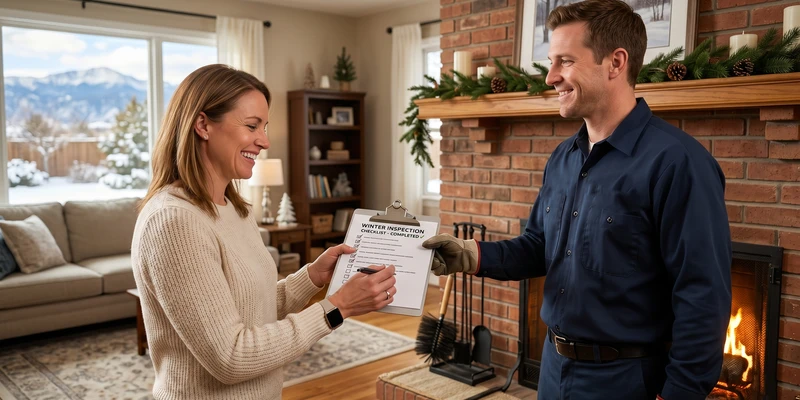
When the air turns cold in Colorado Springs, there is nothing better than relaxing by a warm fire. A glowing fireplace makes our long, snowy winters feel cozy and comfortable. But before you strike a match to light your first fire of the season, you need to make sure your system is ready.
After sitting unused all summer, your chimney might be hiding a few secrets. Birds may have built nests inside the flue. The harsh summer sun might have cracked your masonry. Old soot from last winter might be waiting to catch on fire.
Starting a fire without checking your chimney first is a major safety risk. You do not want your relaxing evening to turn into a smoky, dangerous emergency. This simple guide will walk you through exactly how to prepare your fireplace for the cold weather. By following these easy steps, you can enjoy a safe and warm winter season.
1. Why You Must Prepare Early
The biggest mistake homeowners make is waiting until the first snowstorm to think about their fireplace. When the snow falls, everyone calls a chimney sweep at the exact same time. If you wait until November, you might have to wait weeks for an appointment.
Getting your system checked in the late summer or early fall is the smartest move. It gives you plenty of time to fix any problems. If your chimney has a water leak or needs new bricks, you want to fix it before the freezing weather arrives. Water that freezes inside broken bricks will cause massive damage to your chimney. Fix it while the weather is still warm.
2. Clean Out the Old Ashes
The very first step is to clean out the firebox. This is the area where you actually build the fire. If you left a pile of gray ash sitting in there since last spring, it is time to sweep it up.
Ash is not just messy. It actually pulls moisture out of the air. If a pile of ash sits in your fireplace all summer, it stays damp. This damp ash can cause the metal grates and the metal damper door to rust. Use a small shovel and a metal bucket to carefully scoop out all the old ashes. Make sure you throw them away safely in a metal container outside.
3. Understand the Danger of Creosote
When you look up into your dark chimney, you might see black, sticky stuff coating the walls. This is called creosote. Creosote is created when smoke cools down and sticks to the inside of your chimney.
Creosote is highly flammable. It is basically unburned fuel. If it gets too thick, a single spark from your fire can ignite it. A chimney fire burns extremely hot and can spread to the wooden roof of your house in a matter of minutes.
You cannot remove thick creosote yourself. You need a professional to scrub this dangerous soot out of your home. Scheduling a professional chimney flue cleaning is the single most important thing you can do to prevent a house fire this winter.
4. Inspect the Outside of the Chimney
You do not need to climb onto your roof, but you should walk out into your yard and look up at your chimney. You are looking for three main things:
- The Chimney Cap: Do you see a metal roof covering the top hole? This is the chimney cap. It stops rain, snow, and birds from falling inside. If you do not have one, you need to get one installed immediately.
- The Bricks: Do the red bricks look solid? If you see chunks of brick missing or laying on the roof, you have water damage.
- The White Stains: Do you see powdery white stains on the outside of the chimney? This means water is soaking through the bricks. Your chimney might need a waterproof spray treatment.
5. Test the Metal Damper Door
The damper is the metal door located just above the firebox. You open it to let smoke out, and you close it to keep cold air from blowing into your living room.
Take a flashlight and look up inside your fireplace. Find the handle for the damper. Try to open and close it a few times. It should move easily and close tightly. If it is stuck, rusted, or broken, you will lose a lot of expensive furnace heat up the chimney all winter long. A broken damper is like leaving a window wide open in the middle of a blizzard.
6. Buy the Right Firewood
Your fireplace is only as good as the wood you burn in it. If you burn bad wood, you will ruin your clean chimney very quickly.
You must only burn dry, “seasoned” firewood. Seasoned wood has been chopped and left outside to dry for at least six months. It burns very hot and creates very little smoke.
Never burn wet or “green” wood. Wet wood creates a massive amount of cold, heavy smoke. This heavy smoke turns into dangerous creosote almost instantly. To test your wood, bang two pieces together. If they make a sharp, hollow cracking sound, they are dry. If they make a dull thud, they are too wet to burn.
7. Prime the Cold Flue
When winter arrives in Colorado Springs, the air inside your chimney gets very cold and heavy. This cold air acts like a heavy plug. If you just light a big fire right away, the smoke will hit that cold plug and puff right back into your living room.
To stop this, you need to “prime” the chimney. Roll up a piece of newspaper, light the end of it, and hold it up high inside the fireplace for about a minute. The heat from the burning paper will push the cold air out and warm up the flue. Once the draft reverses and pulls the air up, it is safe to light your main fire.
8. Prepare Gas and Pellet Stoves
If you have a gas fireplace or a pellet heating stove, you still need to prepare for winter. These appliances do not create creosote, but they have delicate moving parts that need care.
For a gas fireplace, you should clean the glass door with a special fireplace glass cleaner to remove the cloudy white film. You also need to make sure the pilot light and burners are free of dust and spider webs.
For a pellet stove, you must clean out the burn pot and empty the ash pan. The small exhaust pipes on a pellet stove get blocked with fine ash very easily. A blocked pipe can force dangerous carbon monoxide back into your house. Getting a yearly checkup is just as important for gas and pellet units as it is for wood-burning fireplaces.
9. Check Your Life-Saving Alarms
This is a step you simply cannot skip. Your fireplace produces smoke and carbon monoxide. Carbon monoxide is a deadly gas that you cannot see or smell.
If your chimney gets blocked by a bird nest or a heavy snowstorm, those gases can enter your home. You must have working smoke detectors and carbon monoxide detectors on every floor of your house. Before you light your first fire, press the test buttons on your alarms and put fresh batteries in all of them.
10. Get a Professional Checkup
The best way to know your fireplace is truly safe is to hire an expert. A professional chimney inspection is highly recommended every single year.
A certified technician knows exactly what to look for. We use bright lights and special cameras to look deep inside the walls of your chimney. We check for hidden cracks, missing mortar, and dangerous blockages. We make sure the entire structure is strong and safe to handle a hot fire.
Conclusion
Preparing your fireplace for a Colorado Springs winter does not take a lot of time. By cleaning out the old ash, checking the outside for damage, and buying the right dry firewood, you are setting yourself up for success.
Most importantly, do not skip your yearly cleaning and safety check. Having a clean chimney gives you total peace of mind. You can relax with your family, listen to the crackling fire, and watch the snow fall outside without a single worry.
If you need help getting your chimney ready for the cold weather, give our local team a call today. We are here to keep your home warm, safe, and clean all winter long.