
Blog
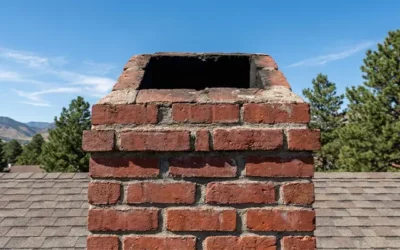
Do I Really Need a Chimney Cap? (Yes, and Here is Why)
You look up at your roof and see a metal box sitting on top of your chimney. Or maybe you don't see anything at all just an open hole. Many homeowners ask us: "What is a flue cap, and do I really need one?" The simple answer is: Yes. In Colorado Springs, a chimney cap...
Fireplace Cleaning Colorado Springs: What to Expect
Winter in Colorado Springs is beautiful, but it is also cold. There is nothing better than lighting a fire to warm up. But before you strike that match, you probably searched for fireplace cleaning Colorado Springs to make sure it's safe. You are smart to check. A...
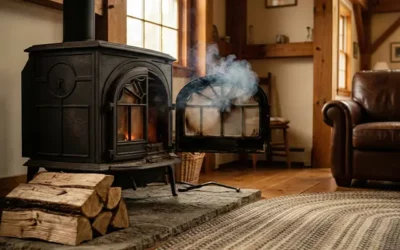
Why Does My Wood Stove Puff Smoke? (Simple Fixes for Back Puffing)
You light your wood stove, looking forward to a warm evening. But suddenly—PUFF. A cloud of gray smoke bursts out of the stove and into your living room. Instead of a cozy fire, you are coughing and opening windows. This is called back puffing. It happens when smoke...
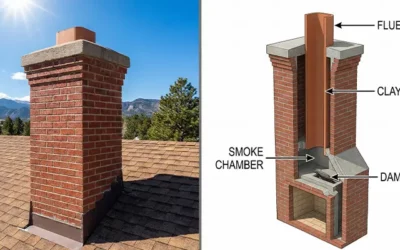
Parts of a Chimney: A Simple Guide for Homeowners (2025 Edition)
When you look at your fireplace, you probably just see the bricks and the fire. But your chimney is actually a complex machine. It has many parts working together to keep smoke moving out and heat staying in. Understanding the parts of a chimney can help you spot...
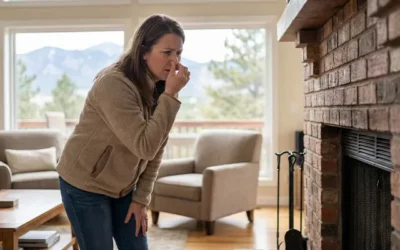
Why Does My Fireplace Smell Bad? (And How to Fix It)
You walk into your living room and stop. You smell something gross. Maybe it smells like a wet dog, a stale campfire, or something rotting. You look around, but the smell is coming from your fireplace. A smelly chimney is a very common problem in Colorado Springs,...
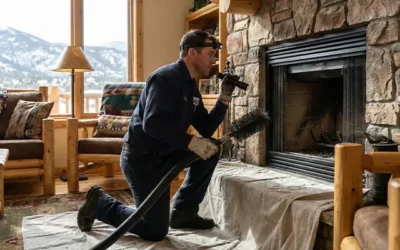
Chimney Cleaning Colorado Springs: A Simple Guide to Safety and Creosote
For homeowners in Colorado Springs, a fireplace makes winter nights cozy and warm. But burning wood creates a hidden danger inside your chimney called creosote. If you ignore it, this buildup can cause a chimney fire. You don't need to be an expert to keep your home...
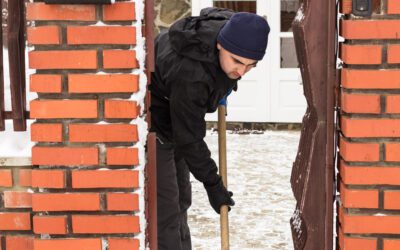
Freeze-Thaw Damage Around the Chimney and Early Warning Signs
When brick gets wet and temps swing below freezing, water inside the brick turns to ice and expands. That push widens tiny pores and hairline cracks. Melt, refill, refreeze, repeat. The brick surface flakes, mortar loosens, and gaps grow. This is freeze-thaw damage,...
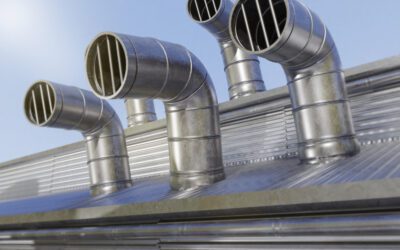
Chimney Liner Materials Compared Clay vs Stainless vs Aluminum
If you burn wood, gas, or oil, your chimney liner choice matters. Clay is common in older masonry chimneys. Stainless steel fits most updates and tough fuel mixes. Aluminum only fits some low heat gas vents. Think of clay as classic brick bread pan, stainless as a...
Brick Spalling and Loose Mortar: What It Means and How to Stop It
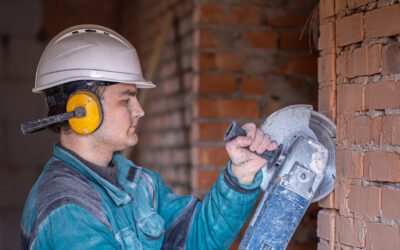
Brick spalling means the brick face flakes off. Loose mortar means the joints are open or crumbly. Both let water slide into the chimney. Then the cold comes, the water freezes, and bricks pop even more. You stop it by fixing joints, swapping bad bricks, sealing...
Do You Need a New Chimney Liner? 7 Clear Signs Colorado Springs Homeowners Should Know
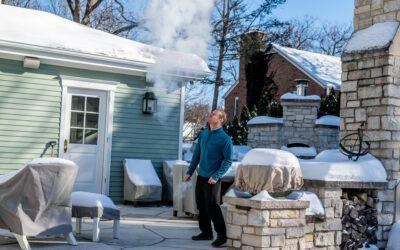
A new chimney liner may be needed if your fireplace smokes, smells odd, drops tiny clay bits, or leaves heavy soot in the firebox. These signs point to wear or gaps in the liner. A camera scan during a chimney inspection confirms the liner’s condition. If the liner is...