Wood stove chimney connector Colorado Springs: Your Top Questions Answered
The short answer
A wood stove chimney connector is the single-wall or double-wall stovepipe that runs from the stove collar to the chimney flue. In Colorado Springs, connectors corrode faster than average because of freeze-thaw cycling and high-altitude creosote conditions. NFPA 211 requires connectors to be inspected annually, kept clear of combustibles, and replaced when they show rust-through, gaps, or failed seams.
Learn more about chimney leak repair Colorado Springs in Fountain
Learn more about chimney cap installation Colorado Springs in Manitou Springs
Learn more about NFPA 211 chimney inspection Colorado Springs
Answered by Luis Ortega, CSIA Certified Chimney Technician at Chimney Sweep Colorado Springs
| What it is | Stovepipe linking the wood stove to the chimney flue |
|---|---|
| Common types | Single-wall 24-gauge black steel; double-wall insulated |
| NFPA 211 clearance | 18 in. from combustibles for single-wall pipe |
| Inspection frequency | Annually, per NFPA 211 |
| When to replace | Visible rust-through, gaps at joints, or failed crimps |
Questions about your connector? Call +1 720-505-5030
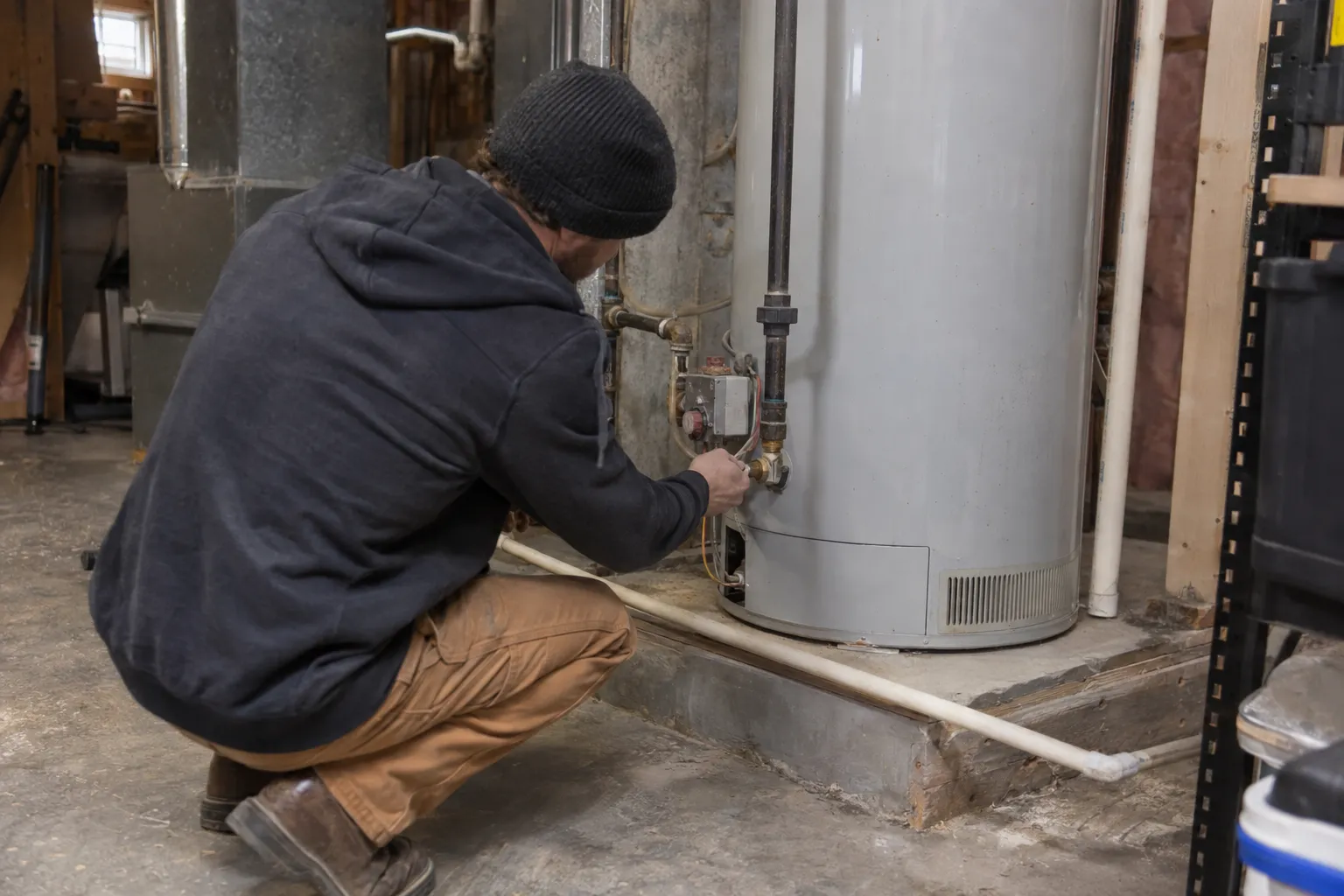
What exactly is a wood stove chimney connector?
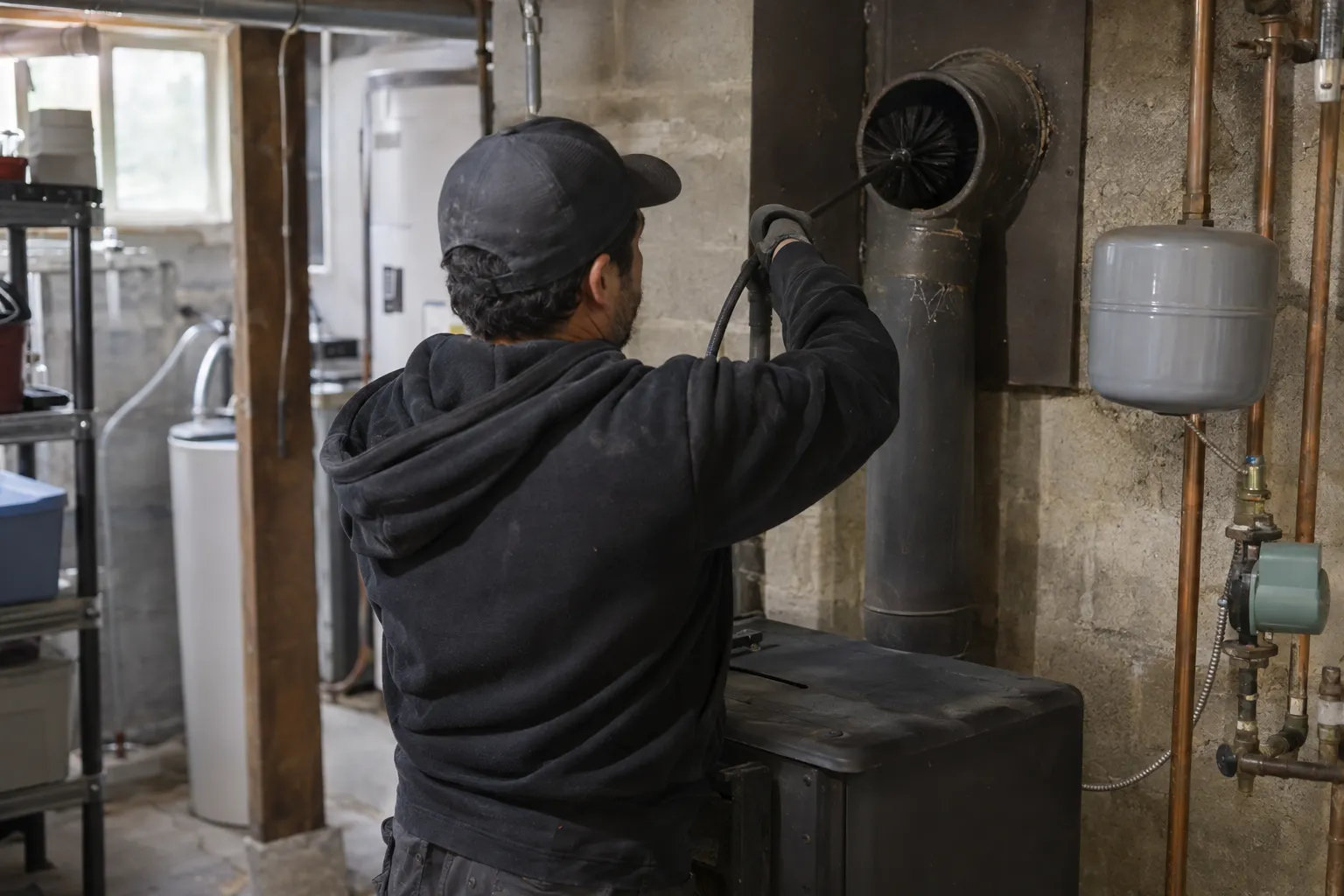
The chimney connector is the section of stovepipe between the wood stove's collar and the point where it enters the chimney flue, either through a thimble in a masonry chimney or directly into a listed factory-built flue system.
It is not the chimney itself. The connector is the exposed run of pipe visible in the room, and it handles some of the hottest gases your stove produces before they cool in the main flue. Because it operates at high temperatures and is fully visible, it is also the first place creosote accumulates and the first place corrosion shows up.
Connectors are not interchangeable with Class A chimney pipe. They are designed for interior connector runs only. Running connector pipe outside the building envelope, through walls, or above rooflines violates NFPA 211 and most local codes. If your installer used connector pipe where Class A was required, that is a fire hazard that needs correction before the stove is used again.
Single-wall or double-wall connector: which do I need?
Single-wall 24-gauge black steel is the most common connector in Colorado Springs homes. Double-wall insulated connector pipe is required when clearances to combustibles cannot meet the standard 18-inch minimum.
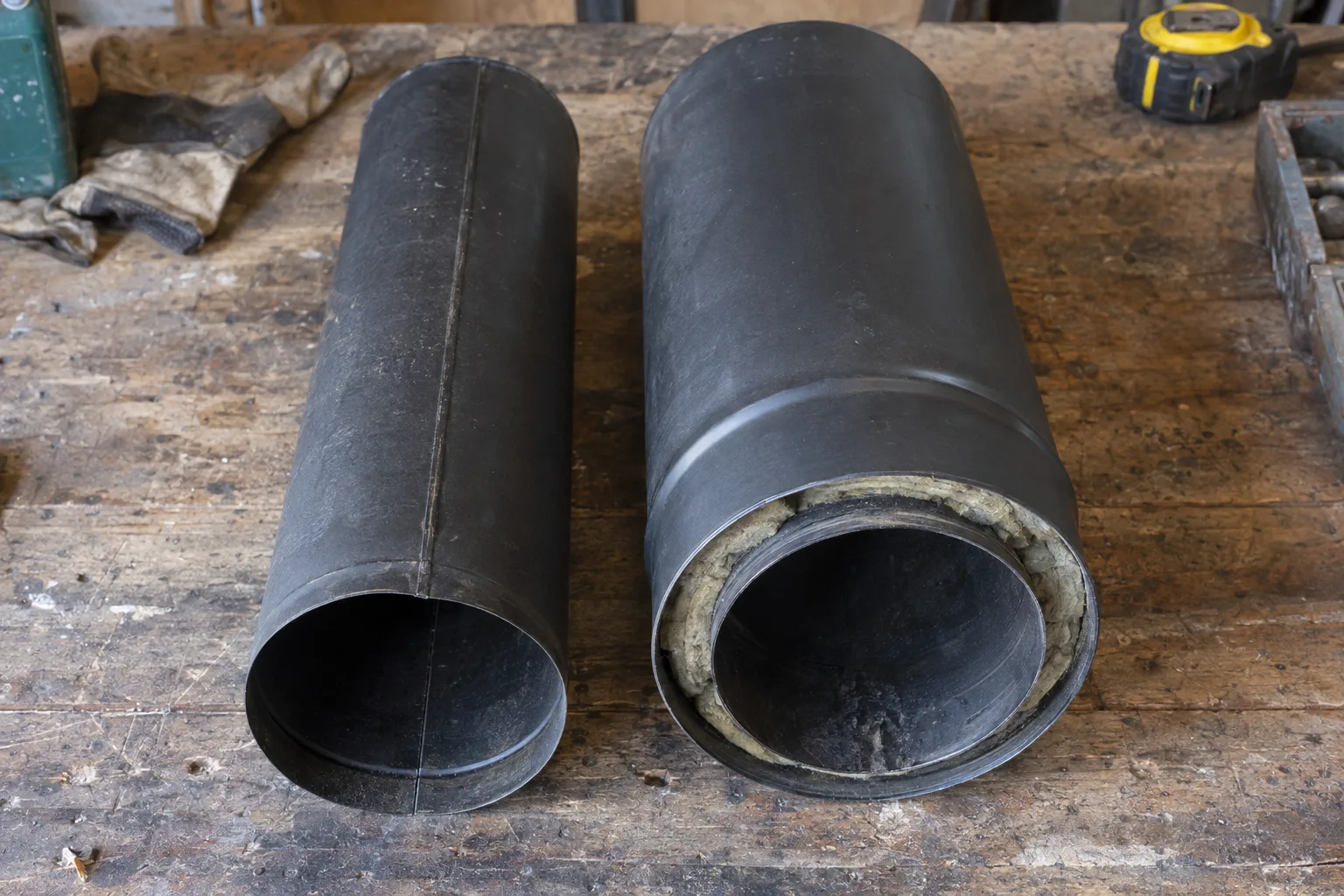
Here is how the two types compare in practice:
- Single-wall pipe: cheaper upfront, easier to find locally, but radiates more heat into the room and requires 18 inches of clearance from any combustible surface under NFPA 211.
- Double-wall listed connector: the outer wall stays cooler, so clearances can often be reduced to 6 inches depending on the product's listing. It costs more but makes installation practical in tighter spaces.
- Insulated connector vs. Class A pipe: even a double-wall connector is not a substitute for Class A pipe in penetrations through walls or ceilings. Those sections need a proper listed thimble or a Class A system.
The right choice depends on your room layout and how close the nearest joists, walls, or cabinetry are. A CSIA-certified technician can measure clearances and tell you which product is code-compliant for your specific installation.
What goes wrong with connectors in Colorado Springs specifically?
Colorado Springs sees three connector problems more often than lower-elevation, milder climates: accelerated creosote buildup from incomplete combustion, corrosion from condensation during the shoulder season, and joint separation caused by freeze-thaw movement in poorly supported runs.
Creosote forms faster at elevation. Wood combustion at 6,035 feet means lower atmospheric pressure and slightly different burn dynamics. Stoves that are damped down too aggressively produce more smoke at cooler temperatures, and that smoke condenses as creosote on connector walls before it ever reaches the main flue. Stage-two and stage-three creosote in a connector is a fire hazard that cannot be brushed out.
Condensation is the second problem. During the mild shoulder months of April and October, flue gases cool quickly in an uninsulated connector, leaving acidic moisture on the steel. Over two or three seasons, that etches through 24-gauge pipe from the inside. The corrosion isn't always visible from the outside until the wall has already failed.
The freeze-thaw cycle at this elevation also works on joints. Connectors that aren't properly screwed and supported shift slightly each time the steel expands and contracts. After several winters, crimped joints open enough to leak combustion gases into the living space, which is a carbon monoxide risk. NFPA 211 requires that all connector joints be secured with sheet metal screws for exactly this reason.
How do I know if my connector needs inspection or replacement?
Inspect it every year before the heating season. Replace it when you find rust-through, open joints, missing screws, heavy glaze, or any section that has been exposed to a chimney fire.
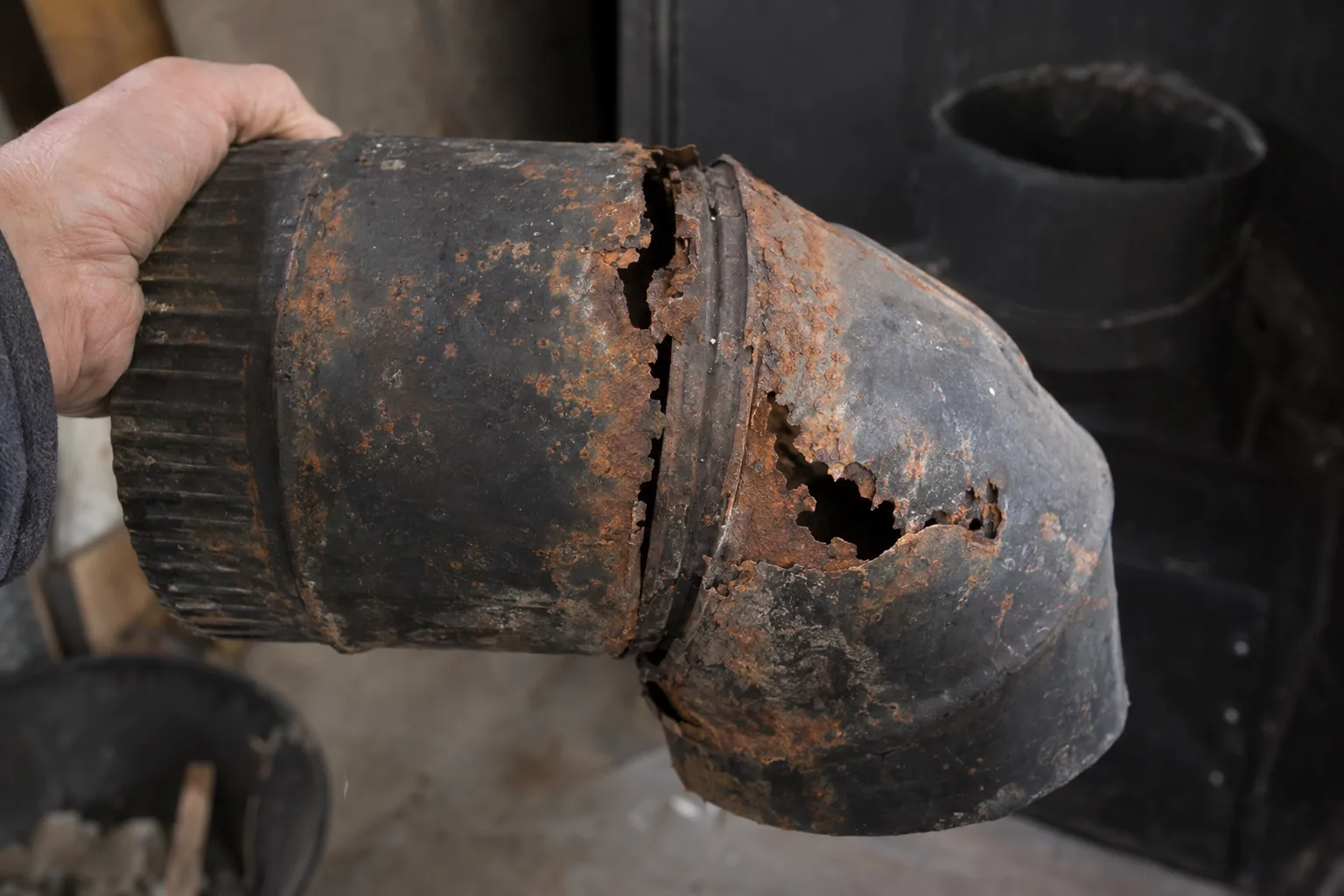
Signs that mean the connector needs immediate replacement, not just cleaning:
- Rust spots that flex or flake when pressed: the steel wall has thinned to the point where it cannot contain a chimney fire.
- Visible gaps at joints or elbows: combustion gases, including carbon monoxide, are entering the room.
- Heavy glazed creosote (stage three): hard, shiny, tar-like deposits that have expanded the pipe's interior. This level requires chemical treatment and usually connector replacement.
- Warping or buckling: indicates the connector experienced temperatures beyond its design limit, often from a chimney fire. The steel's integrity is compromised even where it looks intact.
A CSIA-certified technician performs a Level 1 inspection that covers the connector as part of the annual chimney sweep. If there is any reason to suspect a chimney fire or hidden damage, a Level 2 inspection with camera documentation is appropriate before the stove is used again.
What are the installation rules I need to follow?
NFPA 211 and your wood stove's listing label set the governing rules. Local Colorado Springs building codes adopt NFPA 211 by reference, so both apply simultaneously.
The most commonly violated requirements we see on inspections:
- Clearance to combustibles: 18 inches for single-wall, reduced clearance only with a listed double-wall product and only to that product's listed specification.
- Maximum connector length: the connector run should be as short and direct as possible. NFPA 211 limits horizontal runs and requires a minimum upward pitch of 1/4 inch per foot toward the chimney.
- Three screws per joint: every male-female joint must be secured with sheet metal screws through the overlap. Friction fit alone is not code-compliant.
- No combustible material within clearance distance: that includes low-clearance shelving, wood paneling, and decorative mantels that homeowners add after installation.
- Connector must not pass through floors, ceilings, or walls: penetrations require a listed thimble with appropriate clearance, not raw stovepipe run through framing.
The stove's own installation manual may specify tighter requirements than NFPA 211 minimums. The more restrictive requirement always governs. If the manual calls for 24 inches of clearance and NFPA 211 says 18, you install at 24 inches. Violations void the stove's UL listing and your homeowner's insurance coverage in the event of a fire. See the EPA's wood heater guidance for additional context on safe operation.
Other questions we get
Can I install or replace a chimney connector myself?
Homeowners can replace a straight connector run on a like-for-like basis if they follow NFPA 211 and the stove's installation manual exactly. Any change in routing, clearances, or chimney connection point should be inspected by a CSIA-certified technician before the stove is operated. An incorrect installation that causes a fire will typically void your homeowner's insurance.
How often does a chimney connector need to be replaced?
There is no fixed lifespan. Single-wall 24-gauge pipe in a Colorado Springs home used regularly for heating can show significant corrosion in five to seven years. Annual inspection is the only reliable way to catch deterioration before it becomes a hazard.
What does a chimney connector inspection cost in Colorado Springs?
Connector inspection is included as part of a standard annual chimney sweep and Level 1 inspection. Replacement costs vary depending on the connector's length, number of elbows, and whether single-wall or double-wall pipe is required. Call 720-505-5030 for a quote specific to your setup.
Sources and how we know
The installation and inspection guidance on this page follows NFPA 211 Standard for Chimneys, Fireplaces, Vents, and Solid Fuel-Burning Appliances, and the CSIA's technician training curriculum. Observations about Colorado Springs-specific conditions come from connector inspections performed by our CSIA-certified technicians across the Pikes Peak region.
- NFPA 211: Standard for Chimneys, Fireplaces, Vents, and Solid Fuel-Burning AppliancesNational Fire Protection AssociationThe governing standard for chimney connector installation, clearances, inspection, and maintenance requirements.
- Chimney Safety Institute of America (CSIA)CSIACertification body for chimney sweep technicians; sets inspection level definitions used industry-wide.
- Burnwise: Wood HeatersU.S. Environmental Protection AgencySafe wood-burning practices and appliance guidance for homeowners.
Who wrote this
Luis Ortega
CSIA Certified Chimney Technician
Luis inspects and services wood stove systems across Colorado Springs and the Pikes Peak region, with particular focus on connector integrity, creosote assessment, and NFPA 211 compliance.
- CSIA Certified
- Chamber of Commerce Verified Member